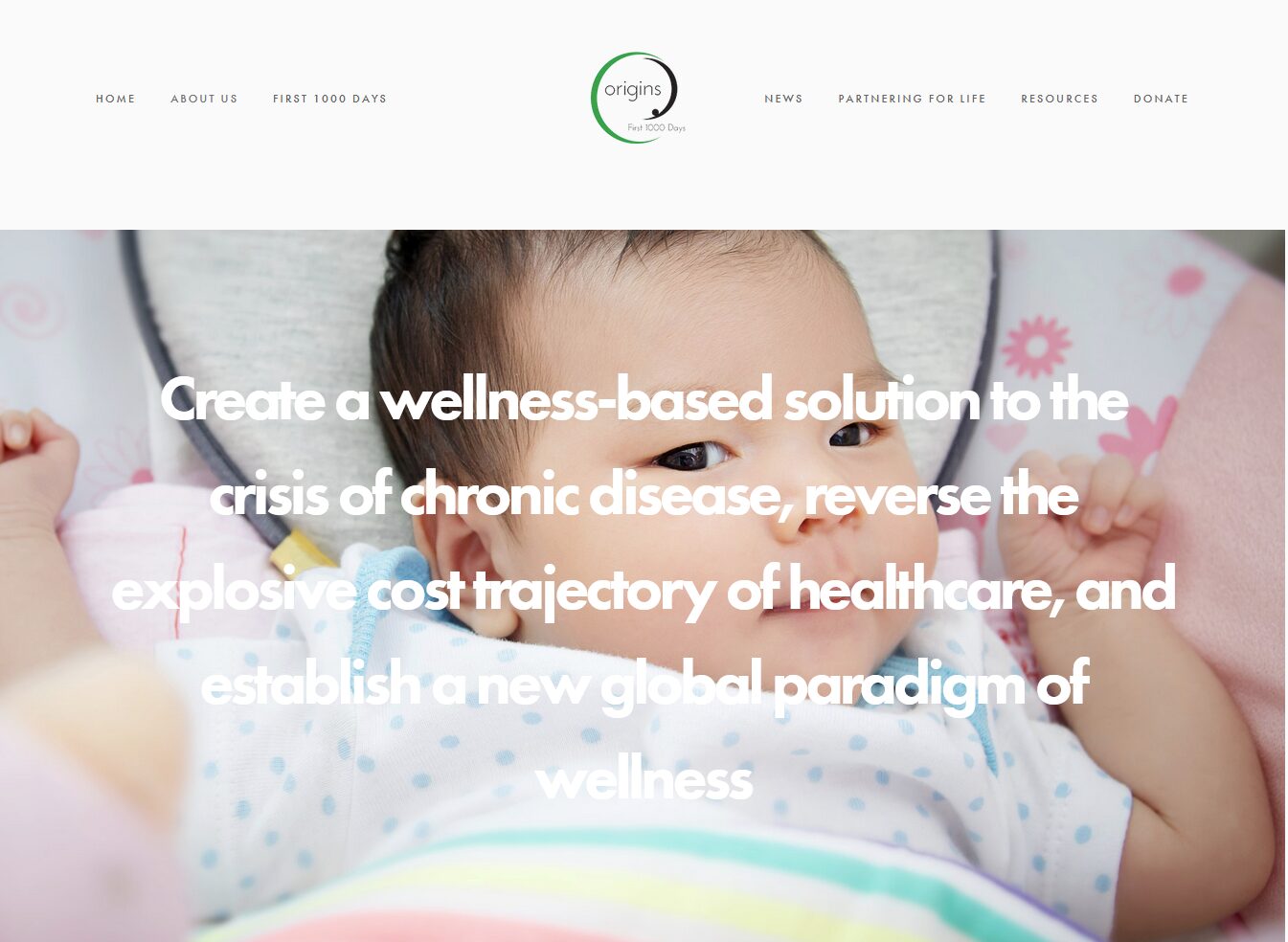
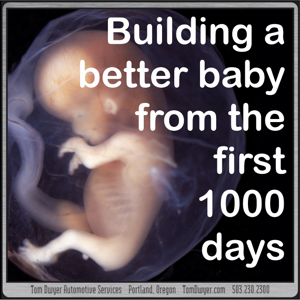
 When we mention Dwyer clients we don’t usually use their full names, but this month we learned about a fascinating project that warrants an exception. Dick Sass has had an amazing professional life, building not one but THREE extremely successful companies in the niche world of medical electronics, equipment, and testing. Now, with Origins FTD, he’s well on his way building his fourth. Origins is a little different because instead of building the equipment to fix medical problems, this time Dick is applying the cutting-edge science of epigenetics to eliminate the problems before they start. His new project will provide education, oversight, and peer-support to pregnant women when it can do the most good… not just during pregnancy, but for the entire 1000 days from conception to the child’s second birthday.
We’ve all heard of genetics, the science of DNA and the genes that create the pattern of who we are. As precise as they are though, genes aren’t a rigidly determined blueprint for a human. From the very first two cells there’s ‘wiggle room’ in how they execute their function, and this wiggle can be affected by environmental factors. Epigenetics is the study of how the environment changes the expression and function of genes. These environmental impacts happen not just in pregnancy but in the earliest formative years as well, and less so on into adulthood. Environmental impacts can come from ‘hard’ factors like chemicals or radiation, but also from ‘soft’ elements like stress, hunger, anger, and fear… in the parent or child. Controlling epigenetic factors has lifelong benefits (or drawbacks) for a child, and these effects even continue on to the next generation!
Origins uses an AI-powered, smartphone-based system to give pregnant women, their medical teams, and their peer support networks the information they need to make better-informed choices in those critical first 1000 days. It considers the entire mother and child holistically including physical, emotional, and physical aspects of their lives. Origins’ advice certainly considers the basics like nutrition and medical care, but it’s focused on changing the epigenetic environment of the child to shape the rest of their lives.
An automotive shop is not the place to go to better understand epigenetic development, but fortunately we can direct you to places that are. We’d recommend you start with OriginsFTD.org. You’ll know more about how the Origins system works but you’ll also find contact info for Dick Sass, the creator who can tell you the actual specifics and the real science behind it.